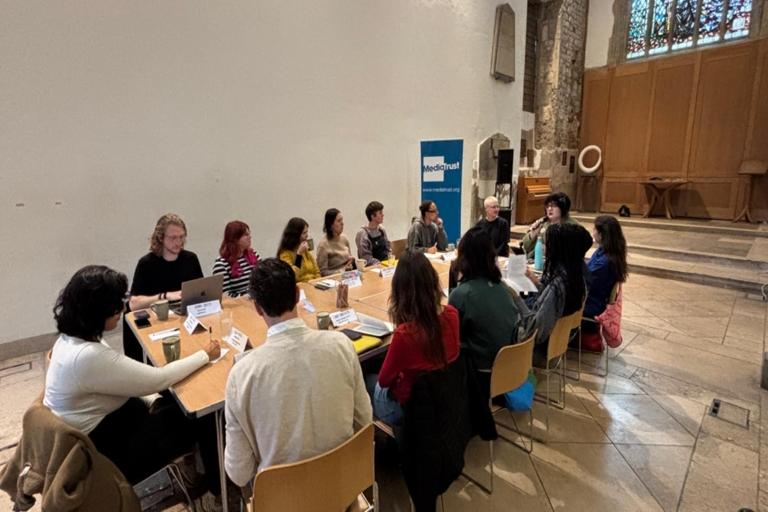
Across London, a quiet but steady shift toward community-led media is changing how neighbourhood stories are told, and Hampstead is no exception. Residents are increasingly turning to grassroots newsletters, hyperlocal blogs, and volunteer-run podcasts to stay informed about the issues that directly affect their daily lives. These outlets provide a level of intimacy and relevance that larger publications often struggle to replicate, offering a platform for voices that might otherwise go unheard.
Local organisers say the appeal lies in the authenticity of community-driven storytelling. Rather than chasing the urgency of citywide headlines, these outlets focus on the slow, textured details of neighbourhood life—reporting on local initiatives, small business challenges, and cultural events that shape the social identity of Hampstead and surrounding areas. Readers appreciate the grounded perspective, describing it as a welcome alternative to the noise of mainstream media.
Many community-led platforms have emerged from informal conversations among residents who felt that their neighbourhoods needed more representation. What begins as a small group sharing updates about planning proposals or local meetings often evolves into a structured publication with regular contributors. These initiatives thrive on collaboration, drawing from a mixture of creative professionals, retirees, and young residents eager to build local networks.
Digital tools have made it easier than ever for these grassroots outlets to gain momentum. Free publishing platforms, social media groups, and recording apps allow residents to share stories without the logistical barriers once associated with traditional journalism. Organisers say this accessibility has expanded participation, empowering more residents to document community issues or share perspectives on neighbourhood developments.
Hampstead’s longstanding culture of civic engagement also plays a significant role in the rise of community media. Residents who are active in conservation groups, arts organisations, and volunteer networks often contribute updates or commentary to local publications. Their involvement ensures that coverage remains grounded in genuine local knowledge, helping build trust among readers who value familiarity and transparency.
One notable trend is the growth of local podcasts that capture casual conversations about neighbourhood life. Hosts interview shop owners, artists, longtime residents, and civic leaders, weaving together personal narratives with broader reflections on how the area is changing. Listeners say these podcasts offer a sense of connection, particularly for those who feel more isolated or distant from traditional community spaces.
Printed newsletters have also made a comeback, especially in smaller residential pockets of North West London. Delivered to doorsteps or handed out at cafés, these newsletters often highlight upcoming events, share historical anecdotes, or profile individuals making quiet contributions to the community. Their physical presence fosters a sense of continuity and tradition, reminding residents of the value of shared local culture.
Community-led media groups often prioritise dialogue over one-way reporting. Many platforms invite residents to submit letters, essays, or questions that reflect their concerns. Organisers say this participatory approach helps build a collective understanding of neighbourhood issues, encouraging readers to view themselves as contributors rather than passive observers of local life.
As community-led media continues to expand, it is reshaping how residents across Hampstead access and share information. The movement reflects a growing desire for local storytelling that feels grounded, trustworthy, and deeply connected to the rhythms of neighbourhood life. In an age where digital noise competes for attention, these grassroots platforms offer something increasingly rare: a sense of belonging built through shared voices and collective attention.