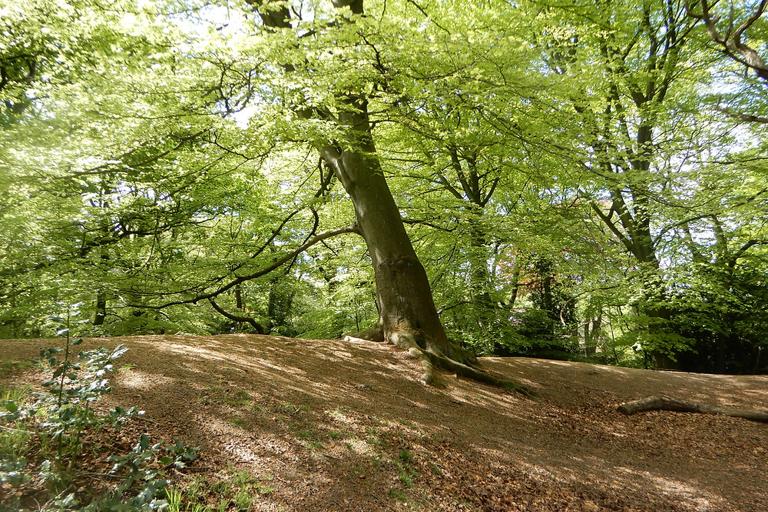
Hampstead’s hidden paths, often tucked between quiet residential streets or winding behind rows of historic homes, have long offered residents a sense of calm in an otherwise fast-moving city. Many locals say these tucked-away passages become places of stillness, offering moments to pause and breathe before stepping back into the rhythm of daily routines. Their understated charm makes them easy to overlook, yet they hold a kind of quiet presence that steadily draws people in.
Regular walkers say the appeal lies partly in the unpredictability of the routes. A narrow lane may open suddenly into a sunlit courtyard, or a shaded passage might rise toward a vantage point overlooking rooftops. These small surprises make each walk feel unique, even to those who travel the same routes regularly. The subtle shifts in light, sound, and season transform familiar paths into ever-changing spaces of reflection.
Many describe these walks as opportunities to detach from digital demands. Without the noise of main roads or the pressure of crowded public spaces, the paths invite a slower rhythm. Residents who work demanding jobs often use these routes as transitional spaces—brief stretches of time where they can recalibrate their thoughts before returning to responsibilities at home or work.
Hampstead Heath’s interconnected trails play a significant role in this landscape of quiet exploration. Moving from the hidden paths into the Heath creates a fluid sense of movement between urban and natural environments. Walkers frequently mention how the shift from narrow lanes to wide, open fields encourages deeper breathing, longer strides, and a more grounded state of mind.
The paths also encourage a kind of observational mindfulness. Locals say that walking slowly through these routes helps them notice small details: ivy creeping along brick walls, the echo of footsteps in tight corridors, or the way morning mist gathers before lifting across a garden. These moments often spark reflection, offering clarity or emotional release that might not arise in more hurried environments.
Artists and writers in the area credit these hidden routes with inspiring creative ideas. The quietness allows space for internal dialogue, and the sensory details—rustling leaves, uneven cobblestones, shifting shadows—often find their way into sketches, stories, or journal entries. For many creative residents, the paths have become part of their regular process, offering a meditative space that complements their work.
Long-time residents speak fondly of the history embedded in these passages. Some routes trace back centuries, linking former estates or serving as shortcuts for those traveling between villages that later became part of London. Although the city has modernised around them, these paths remain intact, carrying a sense of continuity that connects present-day walkers to the neighbourhood’s past.
Parents with young children often use the hidden paths as gentle walking routes, appreciating the separation from traffic and crowds. They say these quiet stretches become opportunities for unhurried conversations, teaching children to pay attention to their surroundings and enjoy the subtler beauty of the neighbourhood. These small routines help build a sense of home rooted in shared experience.
For those seeking stillness, these hidden paths offer more than scenic routes—they provide emotional space. Whether used for morning reflection, evening decompression, or simple enjoyment of the day’s quietest moments, the paths continue to shape the rhythm of life in Hampstead. They remain treasured not because they are dramatic, but because they invite residents to slow down, observe, and rediscover a gentler side of the city.