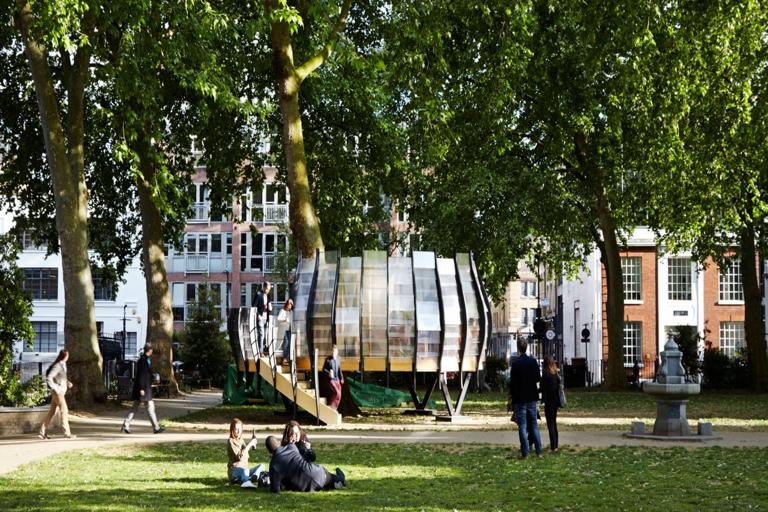
The rise of small, neighbourhood-based writing retreats across North London has offered many creatives a quiet refuge from the constant pull of digital noise. Hampstead, with its leafy streets and gentle pace, has become a natural home for these intimate gatherings. Participants describe the retreats as opportunities to step away from crowded schedules and re-establish a sense of deliberate focus—an increasingly rare condition in a culture dominated by rapid communication and multitasking.
Many of the retreats are run out of converted garden studios or the back rooms of independent bookshops, spaces that feel personal rather than institutional. Their modest scale allows writers to settle in quickly, creating a sense of calm that encourages deeper engagement with in-progress work. Organisers emphasise that the goal is not productivity measured in pages, but rather reconnecting writers with the emotional texture of their projects.
Participants often begin their sessions with reflective exercises designed to loosen the mind from daily obligations. These activities, which might involve freewriting, observational prompts, or quiet walks through Hampstead’s residential lanes, help writers ease into a slower rhythm. Attendees say that these small rituals often become the key to unlocking ideas that have felt inaccessible amid the pressures of regular life.
The retreats typically attract a mix of emerging writers, seasoned professionals, and individuals exploring creative expression for the first time. This diversity fosters an environment where perspectives bounce freely, allowing participants to learn from one another in ways that feel organic and unforced. Writers frequently remark that hearing how others navigate their creative challenges helps them approach their own work with renewed clarity.
One of the most valued aspects of these gatherings is the quieter form of accountability they provide. Unlike structured workshops, retreats tend to prioritise presence over performance. Writers show up not out of obligation, but out of a desire to invest time in themselves. Many say that this gentle framework helps them sustain momentum on longer projects or rediscover the joy of writing purely for its own sake.
Local organisers note that many participants choose to integrate nature into their writing process during retreats. Hampstead Heath, with its open fields and shaded woodland paths, offers a meditative backdrop for writers seeking inspiration. Even a brief walk through the Heath can reshape the direction of a piece, prompting new scenes, fresh descriptions, or unexpected emotional shifts.
Technology is deliberately kept at the edges of the experience. While laptops and tablets are common tools, many retreats encourage participants to unplug during portions of the day. Writers often bring notebooks, sketchpads, or printed drafts, finding that the tactile nature of handwriting slows their thoughts enough to notice subtleties that screens tend to smooth over.
Café owners in the area have observed an uptick in visitors who appear to be extending the retreat energy into their everyday routine. It’s not unusual to see writers settle into a corner seat with a manuscript, continuing the reflective momentum sparked earlier in the day. These quiet pockets of focus help reinforce the idea that creativity need not be confined to structured sessions—it can flow naturally into the ordinary spaces of the neighbourhood.
As the popularity of neighbourhood writing retreats grows, they are becoming an essential part of the creative landscape in North London. Writers say the retreats offer more than time to work—they cultivate a habit of paying attention, of slowing down, and of treating writing as an act that deserves space and care. For many, the impact lasts long after the retreat ends, reshaping not only their projects but their relationship with the craft itself.