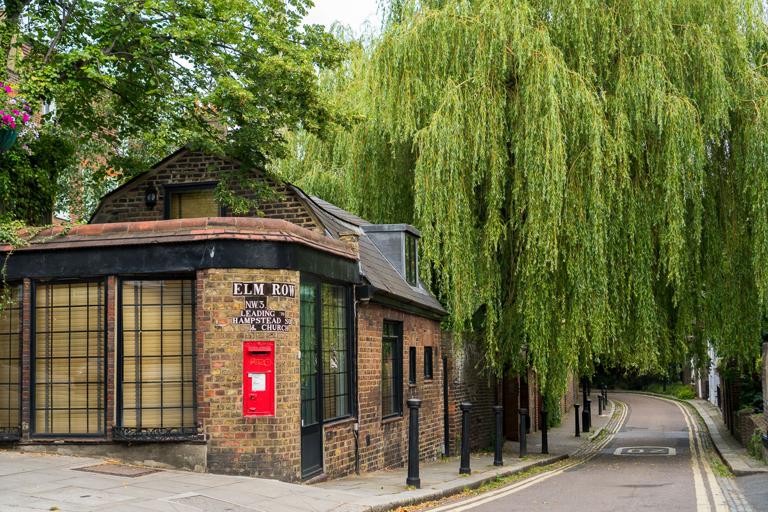
Walking through North London offers a layered experience that reveals how neighbourhoods shift over time. In Hampstead, Highgate, and Belsize Park, long-time residents point to small but meaningful changes—new businesses, renovated homes, and evolving community spaces that gradually reshape familiar streets. For many, these walks provide a chance to observe how history and modern life sit side by side, creating a cultural landscape that continues to change without losing its sense of place.
Regular walkers say the beauty of moving through these neighbourhoods lies in the subtlety of what is noticed. A restored façade, a new independent café, or a garden that has grown more ambitious since last season becomes part of a continuous story. These details often spark reflection on how the area has adapted to shifting tastes and needs, especially as younger families and new residents bring fresh perspectives to the community.
Many residents describe their walks as moments of quiet connection, allowing them to experience the atmosphere of their neighbourhood at a natural pace. The sound of children on their way to school, the rhythm of early-morning deliveries, or the soft chatter from local cafés contributes to a sense of comfort. These small interactions offer insight into how the community functions daily, revealing patterns that are easy to miss when rushing from one commitment to another.
Some walkers note that the character of these areas is shaped heavily by architecture. The contrast between Victorian terraces, Edwardian villas, and occasional modern additions creates a visual narrative that reflects decades of evolving urban design. Walking these streets provides an opportunity to appreciate craftsmanship, patterns, and proportions that define the aesthetic identity of North London’s residential neighbourhoods.
Others pay more attention to the natural elements woven into the cityscape. Hampstead Heath, in particular, acts as a breathing space that bridges neighbourhoods. As walkers move between wooded trails, open fields, and ponds, they observe how seasonal shifts influence the mood of the area. This relationship between built and natural environments gives the region a unique rhythm that residents recognise instinctively.
Local conversations often revolve around how development is reshaping North London. Some appreciate improvements to infrastructure and the introduction of new public spaces, while others are cautious about changes that might alter the area's long-established character. These differing perspectives often come to light during community meetings or casual conversations on neighbourhood walks, reflecting the diversity of opinions on growth and preservation.
Long-term residents say the most noticeable changes are often cultural rather than architectural. They point to evolving demographics, shifting creative communities, and the emergence of new social hubs. Even small changes—like a longstanding shop changing ownership or a familiar route gaining new street art—can influence how people feel connected to their neighbourhood.
For many, walking has become a form of personal reflection. The quiet moments between familiar landmarks allow space to process daily life, consider personal goals, or simply observe the world with fewer distractions. Residents say these reflective walks help them stay grounded, offering a natural reset that aligns with the slower, more intentional pace they hope to maintain.
As neighbourhoods continue to change, these walks serve as a reminder that the identity of North London is not fixed but continually shaped by those who live and move through it. Each journey across Hampstead, Highgate, or Belsize Park reveals new layers of story, history, and community. For the people who walk these routes regularly, the evolving landscape becomes part of their own narrative, marking time through the shifting details of the places they call home.