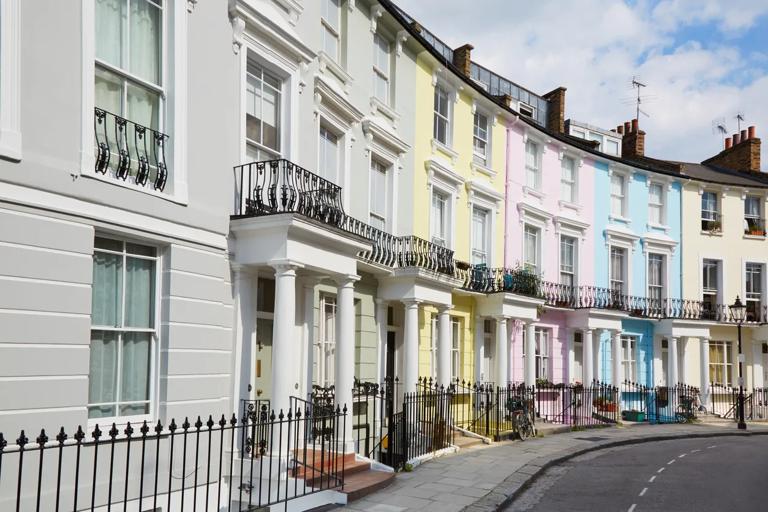
North London’s residential streets offer a quiet study in how architecture influences daily routines. In Hampstead, modest cottages stand beside tall Edwardian homes, creating a patchwork of shapes, heights, and textures that residents pass each day. Many locals say the character of these streets subtly shapes their mood—offering comfort during morning walks or serving as markers of familiarity when returning home after long days spent elsewhere in the city.
The rhythm of the neighbourhood often mirrors the geometry of its buildings. Narrow lanes encourage slower steps, inviting residents to observe ivy-lined walls or the way sunlight falls against brickwork. Wider streets allow for longer, uninterrupted strides that open space for reflection. This connection between physical movement and architectural form is felt instinctively, even by those who do not consciously think about design.
Residents often point to the way façades influence the emotional tone of a street. Warm-toned brick can make an area feel inviting, while taller, more imposing structures may lend a sense of formality. These impressions build over time, shaping the identity of a neighbourhood not through dramatic landmarks but through everyday encounters with the built environment.
Local historians note that many of Hampstead’s architectural features have been preserved for generations, contributing to the sense of continuity that residents value. The repetition of certain motifs—arched windows, wrought iron railings, and carved stone details—creates a visual familiarity that anchors the neighbourhood’s character. This consistency deepens residents’ sense of belonging, reminding them that they are part of a place shaped over centuries.
Architects in the area say that small design choices can significantly influence how people interact with their surroundings. A well-placed bench, a recessed doorway, or a sheltered walkway can become micro-spaces where neighbours pause to exchange greetings or share brief conversations. These moments of informal interaction strengthen community ties and elevate the role of architecture beyond mere aesthetics.
The relationship between residents and the built environment becomes especially noticeable during seasonal transitions. In winter, the stark outlines of rooftops take on a sculptural quality, while summer greenery softens hard edges and fills narrow passages with colour. Many locals say these shifting visual elements create a gentle awareness of time passing, reinforcing rhythms that shape their routines and creative habits.
Parents walking children to school often navigate routes chosen not just for efficiency but for atmosphere. Some prefer streets with broader pavements and calm visual lines, while others choose scenic detours past charming cottages or leafy pathways. These decisions, repeated daily, demonstrate how architecture informs even the most practical movements through a neighbourhood.
For creative residents, the built environment serves as a steady source of inspiration. Writers note how architectural patterns influence pacing in their work, while photographers often capture shadows, textures, and quiet compositions found along Hampstead’s residential corridors. These elements become part of a creative vocabulary drawn directly from the neighbourhood’s spatial language.
Ultimately, architecture in North London does more than define the physical landscape—it shapes how people experience their lives. It influences how they walk, what they notice, and how they feel as they move through familiar streets. In Hampstead, this dialogue between people and place continues quietly each day, reminding residents that the built environment is not merely a backdrop but an active participant in their routines, memories, and sense of home.