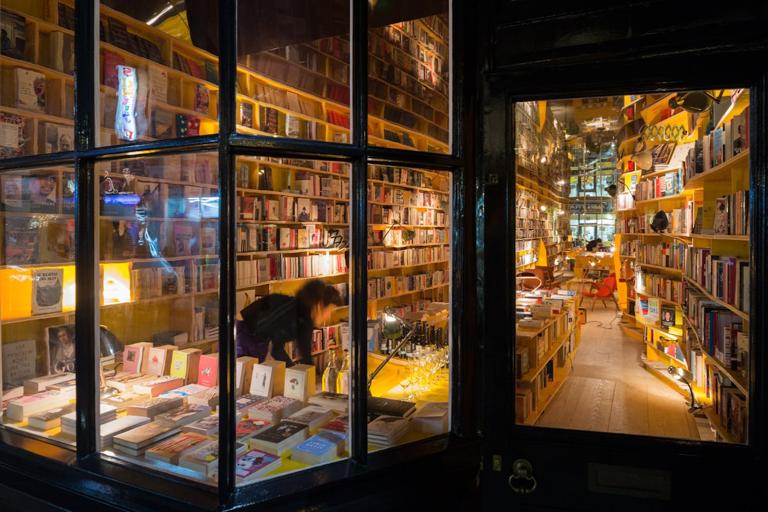
Independent bookshops across North London have noted distinct shifts in reading preferences as 2025 unfolds, with customers gravitating toward slower, more reflective works. In Hampstead, staff describe a growing appetite for narrative nonfiction, community‑focused journalism, and longform storytelling that offers depth rather than immediacy. Many readers say they are seeking writing that helps them step away from the constant rush of breaking news and instead provides a clearer sense of context and understanding.
Booksellers report that essay collections and immersive reportage are experiencing renewed interest, particularly titles that blend personal observation with broader cultural themes. This pattern reflects a wider desire for writing that feels honest and grounded—pieces that allow readers to sit with an idea rather than skim it. Staff at several local shops say customers often linger longer than before, browsing slowly through shelves of narrative nonfiction and discussing recommendations with store employees.
One Hampstead bookseller noted that readers appear increasingly drawn to writers who explore community life or the changing texture of London neighbourhoods. These topics resonate strongly with residents who have watched their own streets evolve over the past decade. Customers say they appreciate authors who can unpack local issues with care, offering insight into how cultural shifts shape everyday experiences in subtle but meaningful ways.
Audiobook and e‑book sales continue to grow, but physical books remain central to this trend. Many readers say they enjoy the deliberate pace that comes with holding a printed copy—turning pages, annotating margins, and engaging with a text free from digital distractions. Booksellers observe that readers often purchase physical nonfiction titles as a way to commit more intentionally to the reading experience.
Local libraries have also reported increased borrowing of longform nonfiction and investigative works. Librarians say this reflects a desire for trustworthy information in a media landscape crowded with quick takes and algorithm‑driven content. Residents appear to be seeking sources that prioritise accuracy, depth, and thoughtful storytelling, reinforcing the role of libraries as anchors for reliable knowledge.
Some of the strongest demand has come from younger adults, who booksellers say are surprisingly committed to slower forms of reading despite growing up in digital‑first environments. Many describe reading as a grounding practice—a way to create distance from screens and reclaim focused attention. This demographic has shown particular interest in contemporary essayists and journalists exploring identity, place, and social change.
Book clubs across Hampstead and Belsize Park have adapted to these shifting tastes by selecting more investigative or reflective works for discussion. Organisers say these choices often lead to richer conversations, with participants engaging more deeply with questions about community, culture, and belonging. The trend toward meaningful dialogue mirrors the broader shift toward reading with greater intention.
Publishers, too, have taken notice. Several independent presses have expanded their nonfiction offerings, seeking out authors who can deliver nuanced reporting or innovative narrative approaches. Local booksellers say these smaller publishers play a key role in shaping reading habits, as their curated catalogues introduce audiences to voices and topics overlooked by mainstream outlets.
As 2025 progresses, the pattern is becoming clear: London readers want stories that illuminate rather than overwhelm. In Hampstead, this shift is reshaping how people browse, what they buy, and how they talk about the books that stay with them. The trend suggests a growing preference for writing that not only informs but also helps residents make sense of a rapidly changing world.